New York Sonata

A quirky musician challenges the CEO of an AI company to figure out what he must offer, in addition to wealth, charm and intelligence, to win her hand
Tessa is a top-flight concert pianist who won’t stand for anyone trying to tell her what pieces she should play—not even an attractive, concert-sponsoring billionaire. She lets Chuck Brown know she’s in charge of her own life by seducing him with her special version of the Appassionata played in three movements: at her dinner table, on her piano and in her bedroom.
The two embark on a courtship which takes them through the boroughs of New York City. Chuck showers Tessa with sapphires, diamonds and gold, but noting the store-bought nature of these gifts in contrast to her homemade presents to him, she wonders whether this man can really fit into her music-centric world. While she grapples with the possibility their relationship might have no future, Charlie Brown delves into his past, rediscovering skills of yesteryear and his own true name to hand craft a unique gift that will touch her soul.

"Will you join me for a drink later tonight?”
A late-evening drink with a tall, charming cruise ship owner might be quite interesting. “Thank you, but I’m busy this evening,” said Tessa, coolly.
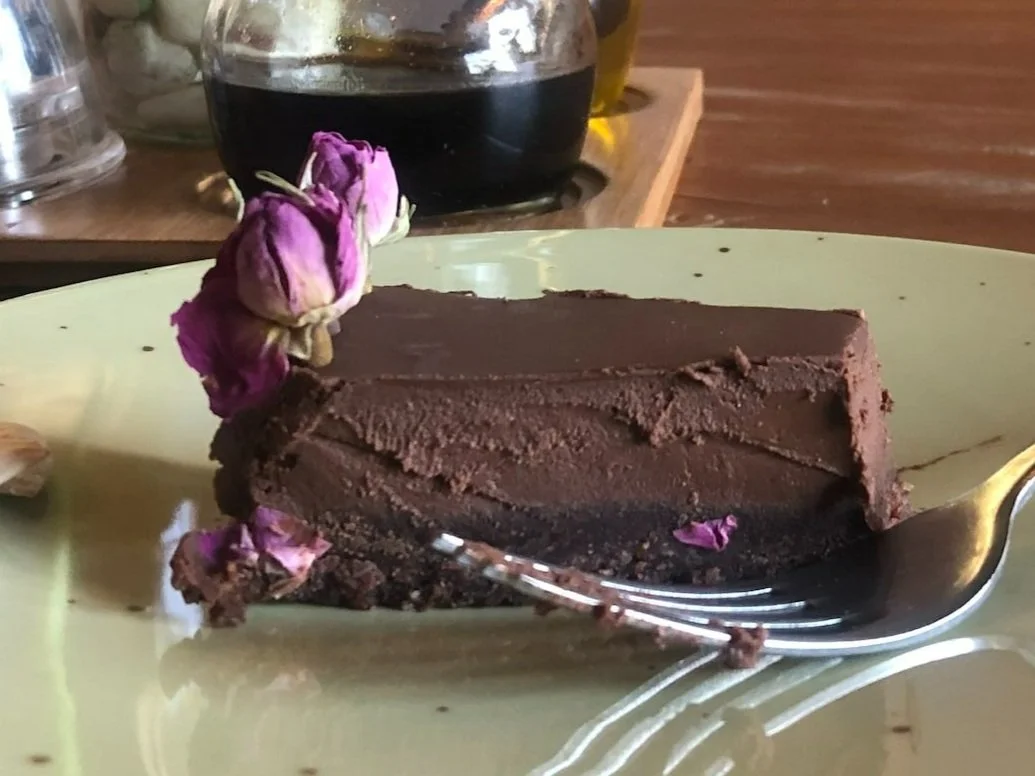
Flourless chocolate cake. That’s what violin playing is like. Notes played on a violin have no clear edges, either in pitch or in time, just like good flourless chocolate cake is smooth in all directions. This is probably why violinists are like they are, constantly touching and connecting with others, drawing from the spirit of the audience and their fellow musicians, needing to be loved.
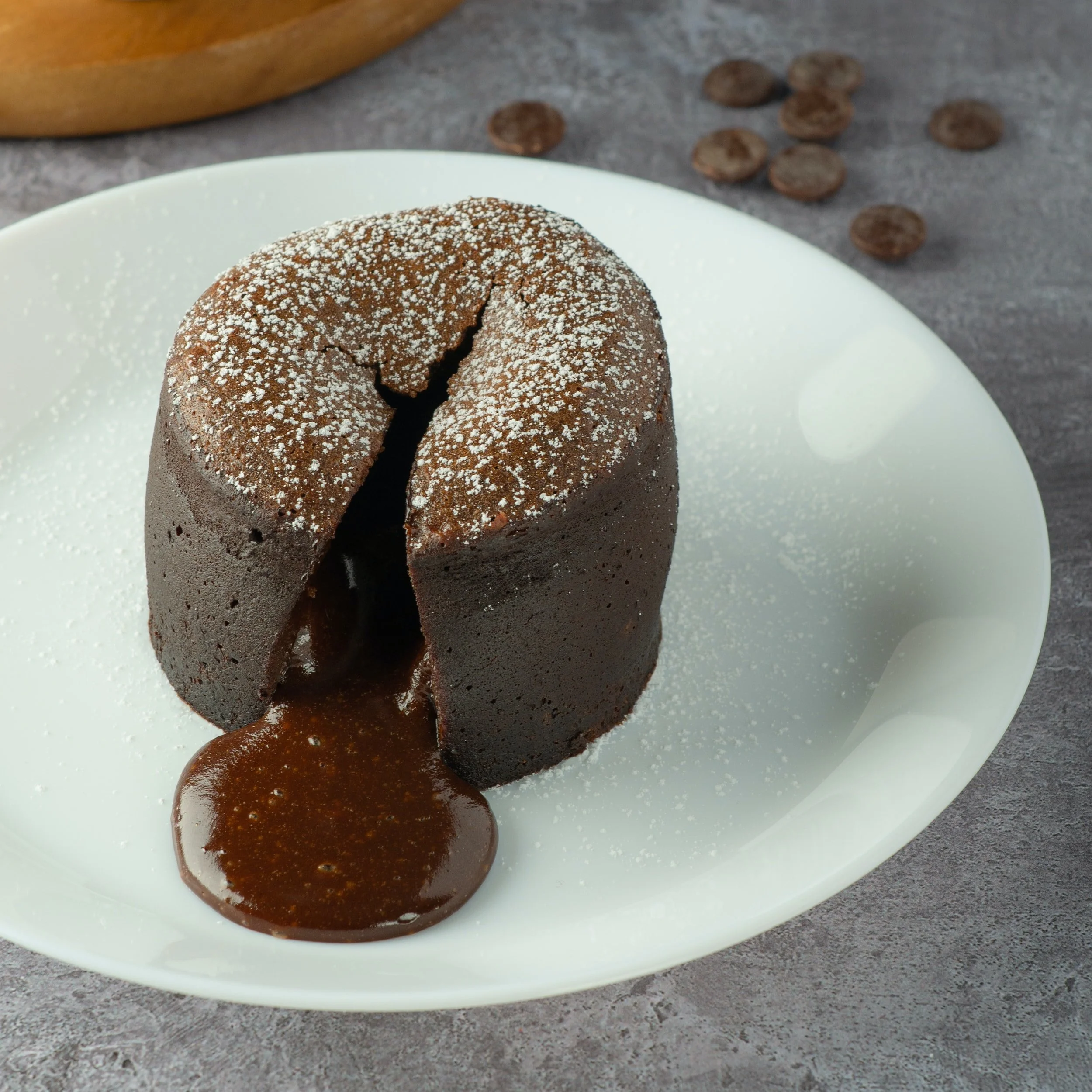
Viola playing is more like chocolate lava cake.

“You bought me a zombie rose on the advice of a computer?” She was glad to be able to blame the computer, rather than Chuck’s own taste, for the ugliness of the flower.
“Advice based on a huge amount of information and computation. He asked lots of questions about you before coming up with the answer. He said a preserved rose would put you in a romantic Barry Manilow sort of mood. He said that Barry Manilow might pave the way to true love. He’s really quite interesting to talk to.”

Nick was the ideal TV companion. He was happy to go along with any show Tessa wanted to watch and never hogged the popcorn.

“I saw a raccoon.”
“Where did you see the raccoon?”
“In Central Park. I was having a nice time running. Then I wasn’t.”
Her eyes filled with tears. She reached into her pouch for her handkerchief. Now Chuck’s arms were around her, pulling her close to him. Now she was sobbing and sniffling.
The doorbell rang, she played on. She played and played, keeping him waiting, knowing he would wait for her. She played with the delicious sense of anticipation, enjoying the moments ahead of the reality that can be better than the reality itself. Right to the last joyous note she played, then rose, walked unhurriedly to the door and opened it.

The Music of New York Sonata
Tessa would have been happy to record the pieces mentioned in New York Sonata so you could hear the music and her playing, but, since she's fictional, she can't do this. I play the piano, but not well enough to represent Tessa's playing to her satisfaction. However, lots of wonderful pianists post their performances on YouTube. On this page I've provided links to renditions of some of the pieces mentioned in the book.
Her shoulders tensed, her stomach clenched. Some demon took control of her hands, and, to her astonishment, the Broadway standards gave way to the opening chords of the Pathetique Sonata.
The big, sonorous first chord, the long hold, and then the soft echoes. Control, control, strong but not proud, Miss Natasha had said to her tween prodigy years earlier. The feel of her fingers in the familiar chord positions and the sounds of Beethoven could do for Tessa what popular mush couldn’t, quenching the anger within and replacing it with serenity. The people, the food, the ship, the lights receded.
“What’s your name?” Silence.
“How old are you?”
The girl held up her right hand with all fingers splayed.
“Would you like me to play something for you?”
The girl nodded.
“Do you have a favorite song you’d like me to play?”
The girl shook her head.
Tessa played from Minuet in G from the Notebook for Anna Magdalena Bach, wondering if this might precipitate another remonstrance from Kat or visit from Chuck. It did not. Apparently, it was OK to play classical music if you were being supervised by a five-year-old
Tessa was in the middle of the third movement of the Moonlight, the very fast Presto movement, when her phone rang. She ignored it, as she always did when practicing at home.
The phone kept ringing, Tessa kept playing. In stark contrast to the hauntingly beautiful first movement of the Moonlight, the third can be played clinically and coldly. She liked the third movement, it was an excellent workout for her fingers which delighted in sprinting up the ladders of broken chords to leap exuberantly onto the full chords at top of each. Her piano liked the third movement, responding with dispassionate precision to Tessa’s expert technique. Her piano wasn’t her friend, but it was an excellent professional partner.
She sat at her piano and played the third movement of the Tempest, the light quick Allegretto movement that dances round and round without a pause from first note to last, overflowing with exuberance, the notes singing ‘he’s coming, he’s coming’. In moments he’ll be here, I summoned him, he said yes, he wants to see me, he wants to hold me in his arms, he finds me irresistible, I said to him come over and see me and he said yes, I’m the one in control, I decide the program, I decide when he shows up.
Tessa played Beethoven’s Sonatina in G. This was the first piece she’d ever played for Nick, the very first time he came to visit. It’s a simple piece, just right for a dog’s first introduction to the piano. Sonatina in G is all about heading forward, moving on. She played Sonatina in G for Nick, knowing that wherever he was he would hear her playing, and know that she loved him and missed him.
She returned to her table and admired her jewels. She carried the case over to her window and looked at her jewels in the window light. She put the case on her piano bench, raised the pane and held up her jewels to admire them in the direct sunlight. She carried the case into her bedroom, laid it carefully on her dressing table and, after brushing her hair, positioned the tiara carefully on her head, put on the earrings and admired herself in her dressing table mirror. She stood up, turned, took a half step back, and admired herself in her full-length mirror. The sea-blue sapphires lit her golden hair and nicely complemented her long white T-shirt dress with its winding alligator starting hungrily down at her bunny slippers. It was a good look. She felt attractive. She felt pleased with life. She thought kindly thoughts about Chuck.
She sat at her piano, wearing her tiara, princess at morning music practice, and played the Allegro movement of the Waldstein, the part in which the left-hand counts chords like jewels, one two three four five six sev’n eight nine ten ‘lev’n twelve, and the right tinkles wow, how pretty!
Kat looked doubtful. “Are you sure you want to cook?” Both Tessa and Kat knew that Tessa’s culinary skills were far less impressive than her musical talents. “And you’re going to have him here?” She looked around. “Do you want me to help you clean?”
“Thanks for the offer, but the apartment’s fine. It’s all in the quality of the company and the quantity of the wine. I shall cook. Then I shall play the Appassionata.”
Kat gasped. “The Appassionata?”
Tessa nodded, resolute. “The Appassionata!” It was time to pull out all the stops in the pipe organ of her wiles.
PHOTO CREDITS
Some photographs on this page were downloaded from Unsplash at the following links:
view of New York City - Yoav Aziz
piano keyboard - Nileane
wine glasses - Oliver Sherwin
flourless chocolate cake - Laura Shaw
chocolate lava cake - Max Griss
rose - Duang Tran Quoc
golden retriever - Regine Tolen
racoon - Cathy Holewinski
golden retriever - Ashley Byrd